
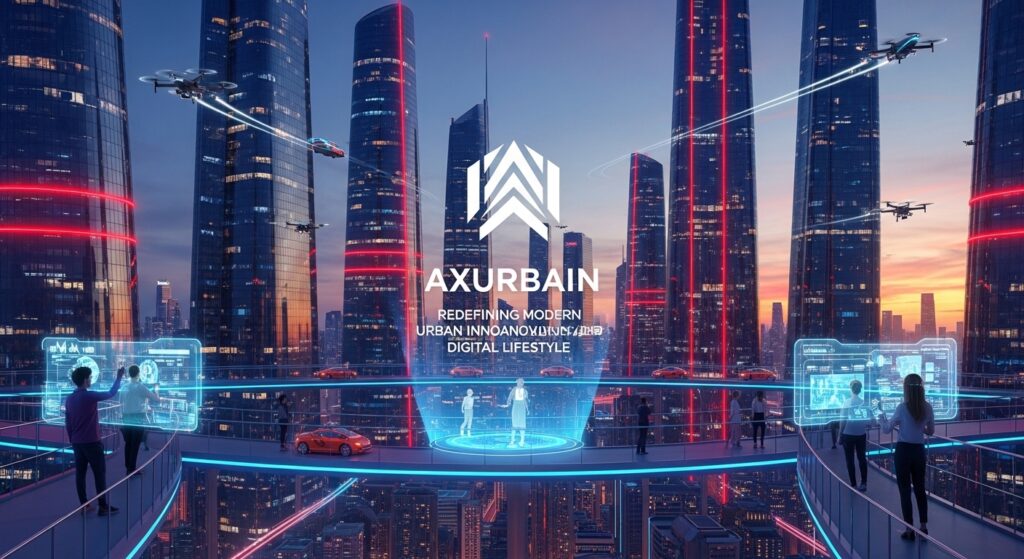
Introduction to Axurbain
The concept of axurbain represents a fresh perspective on modern urban living, digital creativity, and innovative cultural transformation. In today’s fast-changing world, cities are no longer just physical spaces where people live and work. Instead, they are dynamic ecosystems driven by technology, design, sustainability, and creative expression. Within this context, axurbain emerges as a powerful idea that captures the evolving relationship between people, cities, and modern digital lifestyles. As cities expand and societies become increasingly interconnected, the idea behind axurbain focuses on creating environments that are efficient, creative, and adaptable to future needs. The term highlights how urban development is shifting toward more integrated and innovative systems that prioritize both human experience and technological advancement.
The influence of axurbain can be observed in modern infrastructure, digital ecosystems, urban planning strategies, and creative industries. Cities across the globe are adopting ideas that reflect the principles associated with axurbain, including smart transportation networks, sustainable building designs, and digital platforms that connect communities more efficiently. In many ways, axurbain represents a vision of the future where technology and urban culture coexist harmoniously, creating environments that are both functional and inspiring for people from all walks of life.
The Origins and Meaning Behind Axurbain
Understanding axurbain requires exploring the broader transformation occurring in modern urban development. Over the past several decades, cities have experienced rapid population growth, technological advancement, and cultural diversification. These changes have forced urban planners, architects, and innovators to rethink how cities operate and how people interact with their environments. Axurbain can be interpreted as a conceptual framework that brings together multiple disciplines including architecture, digital technology, environmental sustainability, and social innovation.
Historically, urban development focused primarily on infrastructure such as roads, buildings, and transportation networks. However, modern cities must now address additional challenges such as environmental sustainability, digital connectivity, and community engagement. The concept of axurbain reflects this shift by promoting integrated solutions that combine physical and digital environments.
The following table illustrates how urban development has evolved and how axurbain aligns with modern urban innovation.
| Development Era | Urban Focus | Relevance to Axurbain |
|---|---|---|
| Industrial Age | Factories and infrastructure | Early city expansion |
| Post-Industrial Period | Residential growth and services | Urban population increase |
| Digital Era | Technology and connectivity | Foundation of axurbain ideas |
| Smart City Era | Integrated digital systems | Core philosophy of axurbain |
This evolution demonstrates how modern urban strategies are moving toward holistic solutions that balance technology, sustainability, and community well-being.
Axurbain and the Transformation of Urban Lifestyle
One of the most significant impacts of axurbain can be seen in the transformation of urban lifestyles. Cities today are becoming more than just economic centers. They are hubs of innovation, creativity, and cultural exchange where people collaborate, create, and explore new opportunities. The concept emphasizes the importance of designing cities that support modern lifestyles characterized by digital connectivity, flexible work environments, and access to diverse cultural experiences. Urban residents increasingly rely on digital platforms to communicate, work remotely, and engage with their communities.
In an axurbain-inspired environment, urban spaces are designed to encourage interaction and creativity. Public areas such as parks, coworking spaces, and cultural centers become focal points for collaboration and innovation. These spaces foster community engagement and contribute to a vibrant urban culture. Technology also plays a key role in shaping this modern lifestyle. Smart transportation systems, digital infrastructure, and mobile applications enable residents to navigate cities more efficiently. These innovations create urban environments that are both convenient and sustainable.
Architecture and Design in Axurbain Development
Architecture and design represent fundamental components of axurbain. Modern urban design is no longer limited to constructing buildings. Instead, it involves creating environments that are visually appealing, environmentally responsible, and technologically integrated.
Axurbain-inspired architecture often emphasizes sustainable materials, energy efficiency, and innovative design techniques. Buildings are designed not only for functionality but also for aesthetic appeal and environmental harmony. Green roofs, solar panels, and energy-efficient lighting systems are common features in modern urban developments. Urban planners also consider how buildings interact with public spaces. Walkable neighborhoods, mixed-use developments, and open communal areas are essential elements that contribute to the overall success of axurbain initiatives.
The following table highlights key architectural principles associated with axurbain development.
| Design Element | Description | Urban Impact |
|---|---|---|
| Sustainable Materials | Eco-friendly construction resources | Environmental protection |
| Mixed-Use Spaces | Combining residential, commercial, and recreational areas | Efficient land usage |
| Green Architecture | Incorporating plants and natural elements | Improved urban ecology |
| Smart Infrastructure | Integration of digital technology into buildings | Enhanced efficiency |
These architectural strategies help create urban environments that are both modern and environmentally responsible.
The Role of Technology in Axurbain Innovation
Technology serves as the backbone of axurbain innovation. Modern cities rely heavily on digital systems to manage infrastructure, transportation, communication, and energy consumption. These technologies help improve efficiency and enhance the quality of life for urban residents. Smart city technologies such as sensors, data analytics, and automated systems enable governments and organizations to monitor urban activities in real time. Traffic flow, energy usage, and public transportation systems can be optimized using digital tools.
In axurbain-oriented cities, digital connectivity extends beyond infrastructure. Citizens themselves become active participants in urban ecosystems through mobile applications, online platforms, and community networks. These technologies enable residents to report issues, access services, and collaborate with local authorities. Digital innovation also supports economic growth by enabling startups, creative industries, and technology companies to thrive within urban environments. The combination of digital infrastructure and entrepreneurial culture contributes to the dynamic nature of axurbain development.
Sustainability and Environmental Responsibility in Axurbain
Environmental sustainability is another key pillar of axurbain philosophy. As urban populations grow, cities must address challenges related to pollution, energy consumption, and climate change. Sustainable urban strategies aim to reduce environmental impact while improving the quality of life for residents.
Axurbain initiatives often incorporate renewable energy sources such as solar and wind power. Public transportation systems are designed to reduce reliance on private vehicles, thereby decreasing carbon emissions. Urban planners also prioritize green spaces that improve air quality and provide recreational opportunities for residents. Water management systems, recycling programs, and energy-efficient buildings are additional components that contribute to sustainable urban environments. These initiatives demonstrate how axurbain combines technological innovation with environmental responsibility.
The table below outlines some sustainability strategies commonly associated with axurbain development.
| Sustainability Strategy | Description | Environmental Benefit |
|---|---|---|
| Renewable Energy | Use of solar and wind power | Reduced carbon emissions |
| Public Transit Systems | Efficient transportation networks | Lower fuel consumption |
| Urban Green Spaces | Parks and vegetation within cities | Improved air quality |
| Smart Energy Systems | Efficient electricity management | Reduced energy waste |
These sustainability efforts ensure that modern cities remain livable and resilient for future generations.
Cultural and Social Dimensions of Axurbain
While technology and infrastructure are important, axurbain also emphasizes the cultural and social aspects of urban life. Cities thrive when communities are engaged, creative, and inclusive. Cultural diversity contributes to vibrant urban environments where people from different backgrounds share ideas and experiences. Creative industries such as art, music, design, and digital media play a significant role in shaping the identity of modern cities. Axurbain encourages the development of cultural districts, innovation hubs, and creative spaces where artists and entrepreneurs can collaborate.
Community engagement is another important aspect of axurbain philosophy. Residents are encouraged to participate in urban decision-making processes through public forums, digital platforms, and local initiatives. This participatory approach helps create cities that reflect the needs and aspirations of their inhabitants. Urban culture also benefits from festivals, exhibitions, and public art installations that celebrate creativity and diversity. These cultural experiences enrich city life and strengthen community bonds.
The Economic Potential of Axurbain
Economic development represents another key dimension of axurbain. Modern cities function as engines of innovation and entrepreneurship, attracting talent and investment from around the world. By combining technology, infrastructure, and creative culture, axurbain environments create opportunities for sustainable economic growth.
Startups and technology companies often thrive in cities that provide strong digital infrastructure and collaborative workspaces. Innovation districts, research centers, and coworking hubs encourage knowledge sharing and entrepreneurial experimentation. The presence of universities and research institutions further strengthens the economic potential of axurbain ecosystems. These institutions contribute to technological advancement and provide skilled professionals who drive innovation.
The following table illustrates the economic components commonly associated with axurbain development.
| Economic Factor | Description | Impact on Urban Growth |
|---|---|---|
| Startup Ecosystems | Support for new businesses | Innovation and job creation |
| Research Institutions | Academic and scientific development | Technological advancement |
| Creative Industries | Design, media, and arts sectors | Cultural and economic vitality |
| Digital Infrastructure | High-speed connectivity | Business competitiveness |
These elements collectively contribute to vibrant and resilient urban economies.
The Future Vision of Axurbain
Looking toward the future, the concept of axurbain is expected to continue evolving as cities adapt to emerging technologies and social trends. Artificial intelligence, renewable energy innovations, and advanced transportation systems will likely play significant roles in shaping the next generation of urban environments.
Future axurbain developments may include autonomous transportation networks, intelligent energy grids, and fully integrated digital ecosystems that connect citizens, businesses, and governments. These innovations will enable cities to operate more efficiently while enhancing the overall quality of urban life. At the same time, maintaining a balance between technological progress and human experience will remain essential. Successful axurbain environments will prioritize community engagement, cultural expression, and environmental sustainability alongside technological advancement.
The future of axurbain ultimately represents a vision of cities that are smart, inclusive, and adaptable to the evolving needs of society.
Conclusion
Axurbain reflects a powerful transformation in the way cities are designed, experienced, and managed in the modern world. By combining technology, sustainability, architecture, and cultural creativity, axurbain provides a comprehensive framework for understanding the future of urban development. Modern cities are becoming increasingly interconnected ecosystems where digital innovation and human collaboration shape everyday life. The principles associated with axurbain encourage planners, architects, entrepreneurs, and communities to work together in creating environments that are efficient, vibrant, and sustainable.
As urban populations continue to grow and technological advancements accelerate, the importance of forward-thinking urban strategies will only increase. Axurbain offers a compelling vision for how cities can evolve to meet these challenges while enhancing the well-being of the people who live within them. Ultimately, the concept represents more than just urban planning. It symbolizes the future of modern civilization where creativity, technology, and community converge to build cities that inspire innovation and improve the human experience.