
Introduction
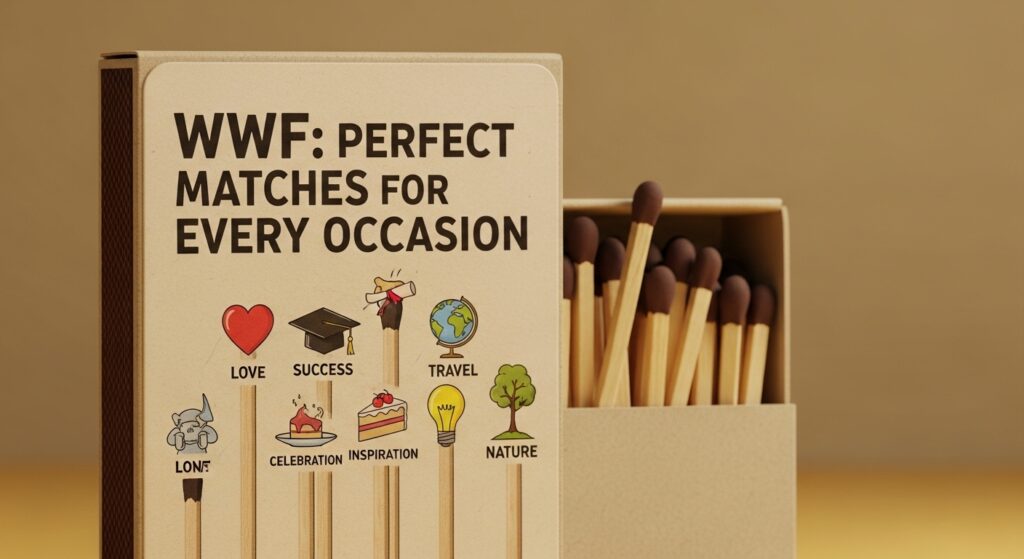
The term WWF represents more than an organization; it symbolizes a global commitment to protecting nature, wildlife, and ecosystems that sustain life on Earth. Over the years, WWF has become a powerful inspiration for people who seek meaningful connections between everyday choices and environmental responsibility. When people speak about perfect matches for every occasion in relation to WWF, they often refer to the thoughtful pairing of lifestyle decisions, creative expressions, and environmental awareness.
In modern society, individuals and communities are increasingly looking for ways to celebrate special occasions while also honoring the natural world. The influence of WWF encourages people to design experiences that reflect sustainability and respect for wildlife. From environmentally inspired celebrations to eco-conscious lifestyle choices, the concept of harmony with nature continues to shape the way people approach memorable moments. The idea behind WWF-inspired matches is simple yet profound. It involves connecting activities, products, or experiences with values that support conservation and ecological balance. This approach transforms ordinary occasions into opportunities to celebrate the planet and the incredible diversity of life it supports.
| Concept | Meaning in WWF Context | Practical Application |
|---|---|---|
| Conservation | Protecting wildlife and ecosystems | Sustainable celebrations |
| Awareness | Educating communities about nature | Nature-themed events |
| Sustainability | Responsible resource use | Eco-friendly products |
| Global Impact | Worldwide environmental protection | Conscious lifestyle choices |
This relationship between celebration and conservation reflects how WWF continues to influence modern thinking about meaningful occasions.
WWF and the Connection Between Nature and Everyday Celebrations
Across the world, people celebrate milestones such as birthdays, weddings, and community gatherings. These occasions often involve decorations, gifts, and activities that create memorable experiences. When inspired by WWF values, these celebrations can also become expressions of environmental care.
Incorporating nature-based themes into celebrations has become increasingly popular. The influence of WWF encourages individuals to use natural colors, sustainable materials, and wildlife symbolism in event design. These choices help create an atmosphere that honors the beauty of the natural world while reducing environmental impact. The concept of matching celebrations with ecological awareness can be seen in many modern event designs. Instead of relying on disposable decorations, organizers might choose reusable materials or natural elements such as plants and recycled fabrics.
| Celebration Element | WWF-Inspired Feature | Environmental Benefit |
|---|---|---|
| Decorations | Natural or recycled materials | Reduced waste |
| Gifts | Eco-conscious products | Responsible consumption |
| Venue Design | Outdoor or nature-inspired spaces | Connection with nature |
| Activities | Wildlife awareness themes | Educational value |
These thoughtful pairings demonstrate how WWF ideals can transform everyday events into celebrations that honor both people and the planet.
WWF Influence on Creative Design and Visual Inspiration
Creative professionals often look to nature for inspiration when designing visual experiences. The natural world offers endless patterns, colors, and textures that can be incorporated into artistic expression. The influence of WWF encourages designers to celebrate wildlife and ecosystems through creative projects that highlight environmental beauty.
Nature-inspired design can include imagery of forests, oceans, and wildlife habitats. These visual elements create an atmosphere that reflects respect for biodiversity and environmental balance. When these elements are paired with sustainable materials and thoughtful craftsmanship, the result is a design approach that aligns with the values associated with WWF.
| Design Element | Nature Inspiration | Resulting Style |
|---|---|---|
| Color Schemes | Earth tones and natural shades | Organic aesthetic |
| Textures | Wood, stone, and natural fibers | Authentic atmosphere |
| Imagery | Wildlife and landscapes | Visual storytelling |
| Materials | Sustainable and recycled resources | Responsible design |
Through these design choices, creators can express appreciation for the natural world while crafting visually striking environments.
WWF and the Philosophy of Sustainable Living
One of the most important ideas promoted by WWF is the concept of sustainable living. This philosophy encourages people to make choices that protect natural resources while supporting healthy ecosystems. In everyday life, sustainable living involves thoughtful decisions about consumption, energy use, and environmental responsibility.
When applied to special occasions, the philosophy of sustainability encourages people to choose options that minimize environmental impact. For example, locally sourced food, reusable decorations, and eco-friendly packaging can help create events that align with WWF principles.
| Sustainable Practice | WWF Inspiration | Impact on Environment |
|---|---|---|
| Local sourcing | Supporting regional ecosystems | Reduced transportation impact |
| Reusable décor | Waste reduction | Long-term sustainability |
| Natural materials | Eco-friendly production | Resource conservation |
| Conscious gifting | Ethical consumption | Reduced environmental footprint |
These practices show how WWF values can influence everyday life and celebrations alike.
WWF Symbolism in Cultural and Social Experiences
Symbols play a powerful role in shaping cultural narratives and social values. The WWF symbol, recognized worldwide, represents dedication to wildlife conservation and environmental protection. This symbol has become a reminder that every action, no matter how small, can contribute to a healthier planet.
In cultural experiences and social events, WWF symbolism can inspire themes that highlight biodiversity and environmental awareness. Artistic displays, educational exhibits, and nature-inspired performances can all reflect the spirit of conservation.
| Cultural Element | WWF Symbolic Meaning | Experience Created |
|---|---|---|
| Artwork | Wildlife representation | Educational storytelling |
| Exhibitions | Ecosystem awareness | Environmental education |
| Community events | Conservation themes | Collective engagement |
| Visual storytelling | Biodiversity celebration | Cultural inspiration |
By incorporating these elements into events and experiences, communities can celebrate both culture and nature.
WWF Inspiration in Modern Lifestyle Choices
Lifestyle trends around the world increasingly reflect concern for environmental sustainability. Many individuals now seek products and experiences that align with ecological values. The influence of WWF encourages consumers to make decisions that support wildlife protection and environmental preservation.
This shift toward conscious living can be seen in fashion, home design, travel, and personal habits. People are embracing products that use sustainable materials and ethical production processes. These choices demonstrate that lifestyle and environmental responsibility can coexist harmoniously.
| Lifestyle Category | WWF-Inspired Approach | Benefit |
|---|---|---|
| Fashion | Sustainable fabrics | Reduced environmental impact |
| Home décor | Natural materials | Eco-friendly living spaces |
| Travel | Responsible tourism | Protection of ecosystems |
| Personal habits | Reduced waste practices | Sustainable daily living |
Through these choices, individuals can integrate environmental awareness into their everyday routines.
WWF and Environmental Education for Future Generations
Education plays a crucial role in shaping the attitudes and behaviors of future generations. WWF has long emphasized the importance of teaching people about biodiversity, ecosystems, and conservation efforts. Educational initiatives inspired by WWF help individuals understand the value of protecting wildlife and natural habitats.
In schools, community programs, and public events, environmental education can take many forms. Interactive exhibits, storytelling sessions, and nature workshops allow participants to engage directly with the concepts of conservation and sustainability.
| Educational Method | WWF Inspiration | Learning Outcome |
|---|---|---|
| Workshops | Wildlife awareness | Increased environmental knowledge |
| Exhibits | Ecosystem displays | Visual learning |
| Community projects | Habitat protection | Hands-on experience |
| Storytelling | Nature narratives | Emotional connection to wildlife |
These educational experiences encourage people to develop a deeper appreciation for the natural world.
WWF The Global Movement for Environmental Responsibility
The influence of WWF extends far beyond individual lifestyle choices. It is part of a global movement dedicated to protecting the planet for future generations. Through conservation programs, research initiatives, and international partnerships, WWF works to preserve biodiversity and address environmental challenges.
The global reach of WWF demonstrates that environmental responsibility is a shared effort. Individuals, communities, organizations, and governments all play a role in protecting ecosystems and wildlife. By working together, these groups can create meaningful change.
| Global Initiative | WWF Contribution | Environmental Goal |
|---|---|---|
| Wildlife protection | Conservation programs | Biodiversity preservation |
| Habitat restoration | Ecosystem recovery | Sustainable environments |
| Climate awareness | Environmental research | Climate resilience |
| Community engagement | Education and advocacy | Collective action |
These initiatives highlight the importance of cooperation in achieving environmental sustainability.
Conclusion
The concept of perfect matches for every occasion takes on new meaning when inspired by the values associated with WWF. By integrating environmental awareness into celebrations, lifestyle choices, and creative expression, individuals can create experiences that are both memorable and responsible.
WWF represents a commitment to protecting wildlife and preserving the natural world. Its influence encourages people to consider how their actions affect the planet and its ecosystems. When this awareness is reflected in everyday activities and special occasions, it creates a powerful connection between human experiences and environmental stewardship. Ultimately, the inspiration drawn from WWF reminds us that meaningful moments are not defined solely by celebration but also by the positive impact they leave behind. By choosing thoughtful pairings that reflect sustainability and respect for nature, individuals can ensure that every occasion contributes to a healthier and more balanced world.