
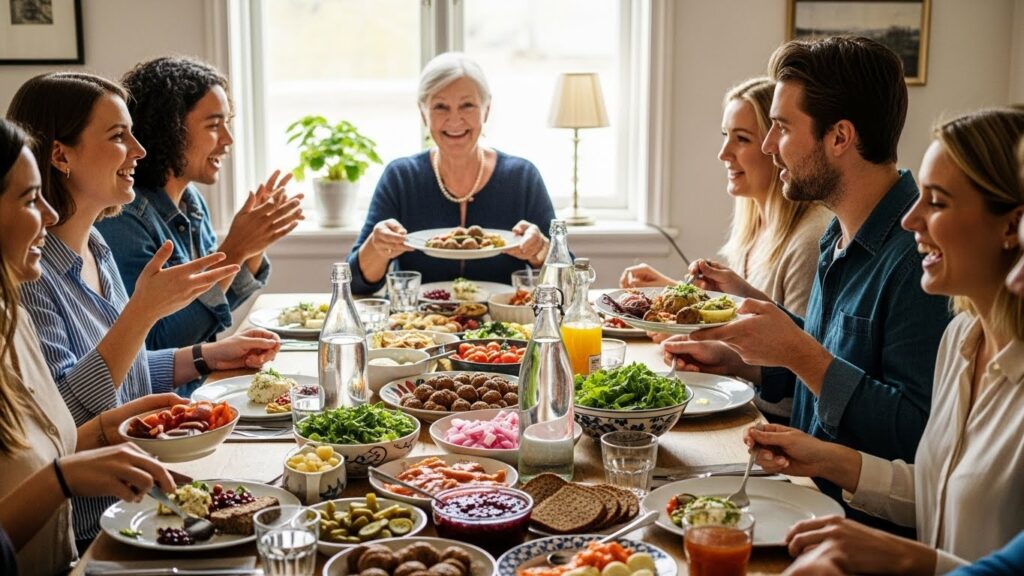
Bjudlunch is more than just an invitation to eat; it represents a meaningful social practice centered on generosity, connection, and shared time. Rooted in Scandinavian culture, this concept emphasizes the importance of inviting others to a meal without expecting anything in return. In an era where schedules are crowded and digital communication dominates daily life, bjudlunch stands out as a refreshing reminder of human warmth and hospitality. The idea resonates globally today because people are increasingly seeking authentic connections that go beyond quick conversations or online interactions.
The essence of this tradition lies in its simplicity. A shared lunch becomes a platform for conversation, trust, and understanding. Whether practiced at home, in professional settings, or within community spaces, this cultural habit encourages inclusivity and openness. As societies become more diverse and fast-paced, such practices gain renewed importance for strengthening interpersonal bonds.
Understanding the Meaning and Origin of Bjudlunch
Bjudlunch originates from Scandinavian social norms where hospitality is expressed through everyday actions rather than grand gestures. The word itself combines the idea of offering and sharing a midday meal. Historically, it was common for colleagues, neighbors, or friends to invite one another to lunch as a way to maintain strong social ties. This tradition was never about extravagance but rather about intention and presence.
Over time, the meaning expanded beyond private homes. Workplaces adopted similar practices to encourage collaboration and reduce hierarchical barriers. In community environments, the tradition became a tool for inclusion, allowing newcomers to feel welcomed. The cultural roots of bjudlunch reflect values such as equality, trust, and mutual respect, which continue to influence its relevance today.
The Social Importance of Bjudlunch in Modern Life
In modern society, shared meals play a critical role in emotional well-being. Bjudlunch supports this by creating opportunities for genuine interaction. Unlike formal meetings or scheduled events, a shared lunch feels relaxed and natural. This setting allows individuals to communicate openly and form meaningful connections.
In workplaces, this practice helps break down silos between departments. Employees who share a meal often develop stronger working relationships, leading to better collaboration and productivity. In families and communities, it strengthens bonds and fosters a sense of belonging. The social value of bjudlunch lies in its ability to transform an ordinary meal into an experience of connection.
Bjudlunch in Professional and Corporate Environments
Many organizations now recognize the benefits of encouraging shared meals among employees. Bjudlunch in professional settings is often used as a strategy to promote team cohesion and creativity. When colleagues sit together without formal agendas, conversations flow more freely, and innovative ideas emerge naturally.
Below is a table integrated within the discussion that highlights how shared lunches impact workplace dynamics:
| Aspect of Workplace Culture | Impact of Shared Lunch Practices |
|---|---|
| Communication Quality | Improves openness and clarity |
| Team Collaboration | Encourages cooperation |
| Employee Morale | Builds trust and comfort |
| Organizational Loyalty | Strengthens sense of belonging |
This simple initiative can significantly influence workplace culture by making employees feel valued and connected.
Cultural Variations and Global Influence of Bjudlunch
While deeply rooted in Scandinavian traditions, the concept behind bjudlunch has parallels across the world. Many cultures value shared meals as a way to strengthen relationships. What makes this tradition unique is its emphasis on invitation without obligation. This principle aligns well with modern values of inclusivity and respect.
As global work environments become more multicultural, adopting such traditions helps bridge cultural differences. Shared lunches allow individuals from diverse backgrounds to learn about each other’s customs, food preferences, and perspectives. In this way, bjudlunch acts as a cultural connector that transcends borders.
Psychological Benefits of Participating in Bjudlunch
Sharing meals has long been associated with positive mental health outcomes. Participating in bjudlunch offers psychological benefits by reducing feelings of isolation and stress. A relaxed lunch setting provides an opportunity to disconnect from daily pressures and focus on human interaction.
Research in social psychology suggests that communal eating enhances feelings of happiness and trust. When individuals feel included, their overall well-being improves. This tradition supports emotional balance by encouraging mindfulness and presence during meals, which are often rushed in modern lifestyles.
Bjudlunch as a Tool for Community Building
Communities thrive on interaction and mutual support. Bjudlunch plays a significant role in fostering these values by bringing people together in a simple yet meaningful way. Local gatherings centered around shared meals help strengthen neighborhood ties and promote understanding among residents.
The table below illustrates how community engagement evolves through shared meal practices:
| Community Element | Result of Shared Lunch Initiatives |
|---|---|
| Social Interaction | Increased participation |
| Inclusivity | Welcoming environment |
| Trust Among Members | Stronger relationships |
| Collective Identity | Shared sense of purpose |
These outcomes demonstrate how a simple lunch invitation can contribute to long-term community resilience.
Hosting a Meaningful Bjudlunch Experience
Creating a successful bjudlunch experience does not require elaborate planning. The focus should remain on comfort and connection. Choosing simple, wholesome food allows hosts to concentrate on conversation rather than presentation. The atmosphere should encourage openness, making guests feel relaxed and valued.
Timing also plays a role. A midday meal fits naturally into daily routines, making it easier for participants to attend. By keeping expectations low and intentions clear, hosts can create an environment where genuine interactions flourish.
The Role of Food in Enhancing Bjudlunch
Food serves as a universal language that brings people together. In the context of bjudlunch, meals are often simple and nourishing. The emphasis is not on luxury but on sharing. This approach removes social pressure and allows participants to focus on interaction.
Different dietary preferences can be accommodated easily, reflecting respect and consideration. This inclusivity enhances the overall experience and reinforces the values associated with the tradition.
Bjudlunch in Educational and Learning Settings
Educational institutions also benefit from shared meal practices. Students and educators who participate in informal lunches often experience improved communication and understanding. These interactions create a supportive learning environment where ideas can be exchanged freely.
Such practices help reduce barriers between teachers and students, promoting mentorship and collaboration. By incorporating shared meals into academic culture, institutions can foster stronger relationships and enhance overall engagement.
Sustainability and Ethical Values Linked to Bjudlunch
The tradition aligns well with modern sustainability values. Simple meals often involve locally sourced ingredients and minimal waste. Sharing food responsibly reflects ethical considerations that resonate with environmentally conscious individuals.
By encouraging mindful consumption, bjudlunch supports sustainable habits. Participants become more aware of food choices and their impact on the environment, reinforcing responsible practices through everyday actions.
Future Outlook of Bjudlunch in a Digital World
As digital communication continues to dominate social interactions, the importance of face-to-face connections becomes even more apparent. Bjudlunch offers a counterbalance by emphasizing presence and authenticity. Its simplicity makes it adaptable to various settings, ensuring its relevance in the future.
Hybrid work models and flexible schedules may further increase opportunities for shared meals. By embracing this tradition, individuals and organizations can maintain human connection in an increasingly virtual world.
Conclusion Reflecting on the Lasting Value of Bjudlunch
Bjudlunch represents a timeless practice rooted in generosity and connection. Its relevance extends beyond cultural boundaries, offering valuable lessons for modern life. By encouraging shared meals, this tradition fosters trust, inclusivity, and well-being.
Whether practiced in homes, workplaces, or communities, the impact of this simple gesture is profound. As people continue to seek meaningful interactions, bjudlunch stands as a reminder that connection often begins with an invitation to share a meal.